手動バルブの一般的なタイプは何ですか?
手動バルブ 工業用流体制御システムで最も一般的なタイプのバルブで、石油、化学、電力、冶金、水処理、製紙、製薬、食品、その他の業界で広く使用されています。手動バルブは、手動操作ハンドル、ハンドホイール、スプロケット、その他の機械装置を使用して媒体の開閉や流量の調整を行います。シンプルな構造で使いやすく、経済的で信頼性が高く、産業用パイプラインシステムには欠かせないコンポーネントです。さまざまな構造形態、動作原理、適用可能な状況に応じて、手動バルブは主に次の一般的なタイプに分類できます。
手動ゲートバルブ
手動ゲートバルブは、くさび形または平行なゲートを上下させることで流体の開閉制御を実現します。開閉時のゲートと弁座との接触面積が大きいため、全開・全閉の用途には適していますが、頻繁な開閉や絞りには不向きです。手動ゲートバルブは流体抵抗が低く、シール性能が良く、構造が簡単で寿命が長いという利点があります。石油パイプライン、水処理、発電所システム、および高いシール要件が要求されるその他の作業条件で広く使用されています。
手動ボールバルブ
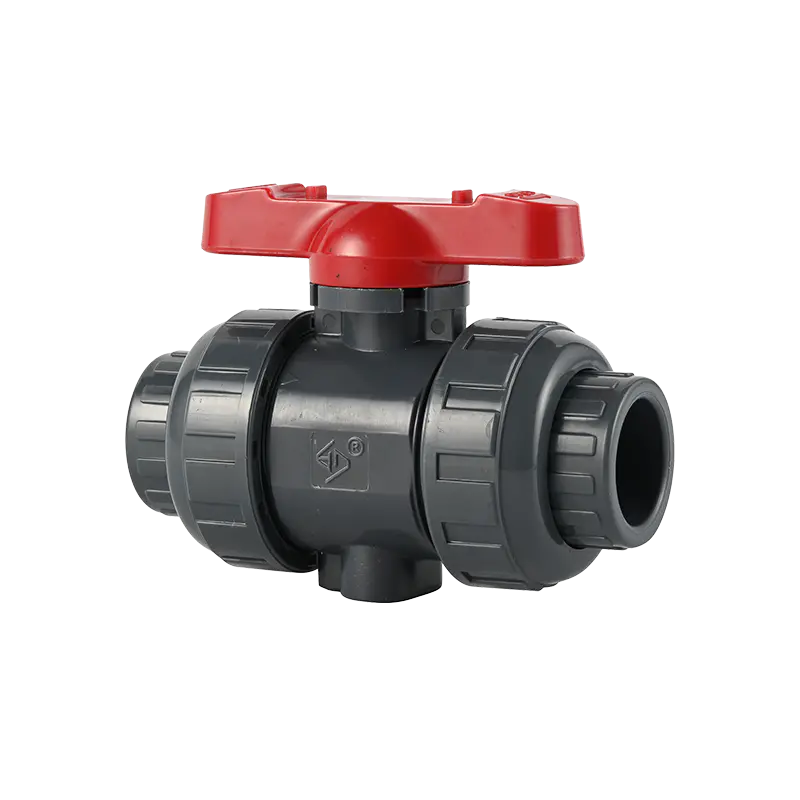
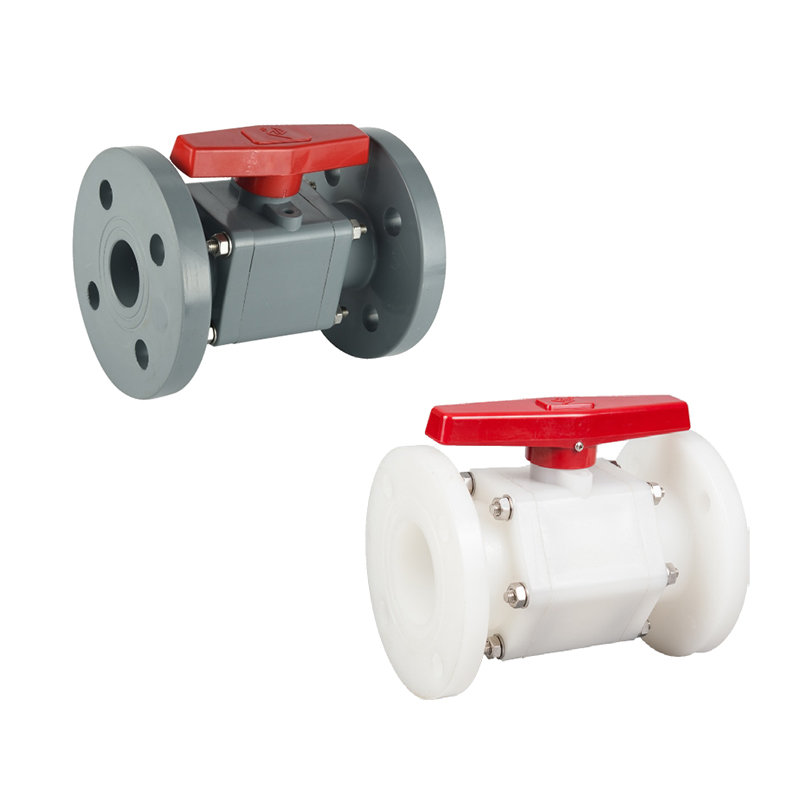
手動ボールバルブは、ボールを使用してバルブ軸の周りを 90°回転させ、媒体の流れを制御します。ボールバルブは開閉が早く、作動トルクが小さく、シール性に優れています。素早い開閉や頻繁な操作が必要なシステムに特に適しています。清浄な液体、ガス、腐食性媒体に適しています。石油化学、天然ガス、製薬、製紙、その他の産業で広く使用されています。コンパクトな構造なので、限られたスペースでの設置に特に適しています。
手動ストップバルブ
手動ストップバルブは、弁体を弁座の中心線に沿って上下に移動させることで流量を調整します。ストップバルブはゲートバルブに比べて調整性能に優れていますが、流体抵抗が比較的大きくなります。ストップバルブは、ボイラー設備、蒸気システム、化学プロセスなど、精密な流量や圧力の制御が必要な場面に適しています。シンプルな構造でメンテナンスが容易で、中小規模のパイプラインで多く使用されています。
手動バタフライバルブ
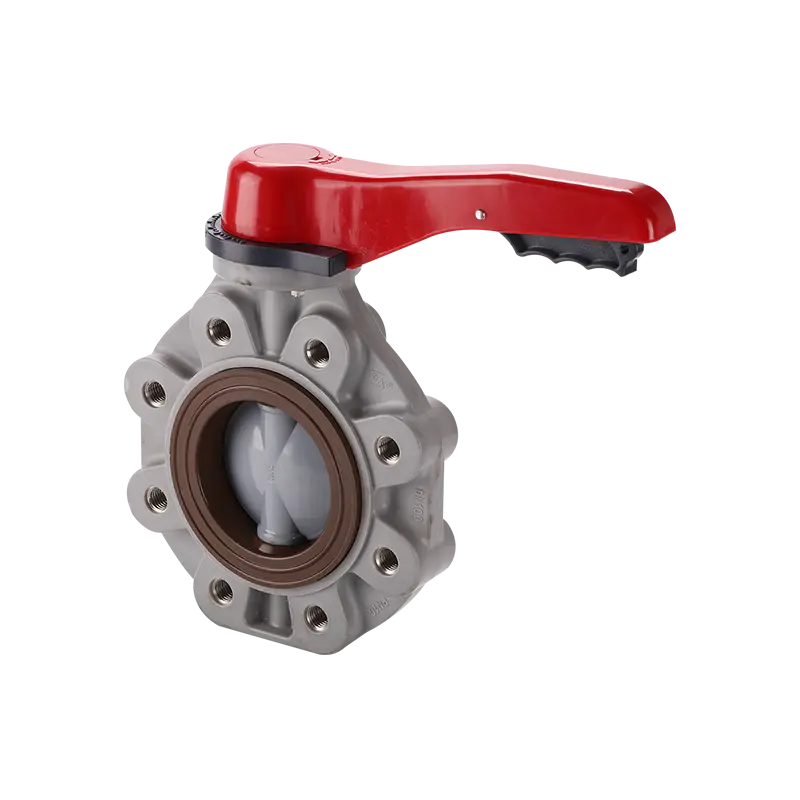
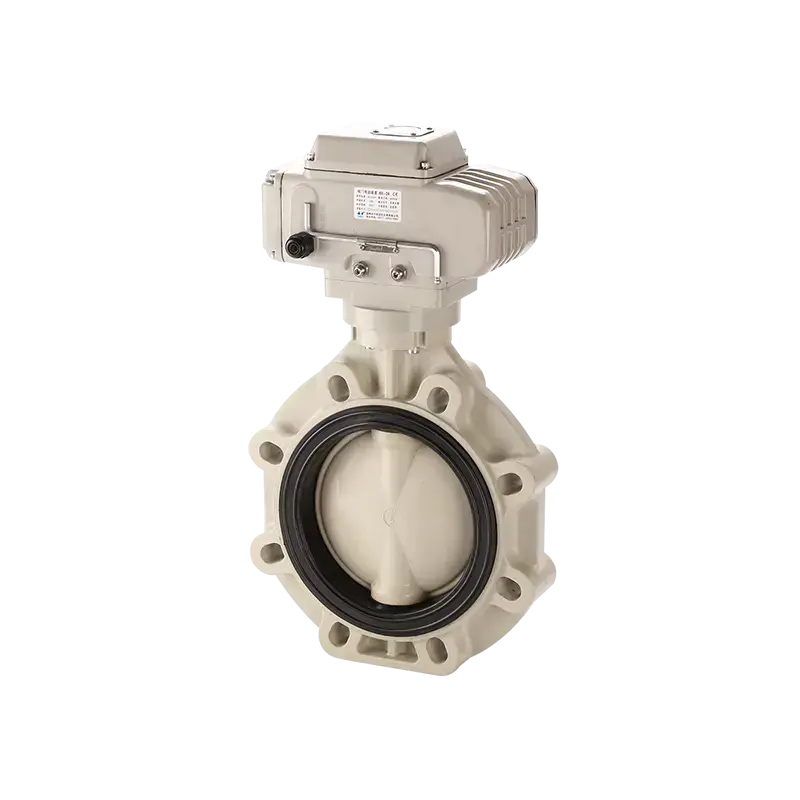
手動バタフライバルブは、円盤状のバルブプレートをバルブ軸の周りに回転させて媒体流路を開閉します。コンパクトな構造、軽量、低コストで、特に大口径バルブの制御に最適です。水処理、空調システム、防火パイプライン、食品および飲料産業で一般的に使用されています。シール性能はボールバルブやゲートバルブほどではありませんが、スペースや重量が重視される場合には明らかな利点があります。双方向シールや偏心バタフライバルブなどの改良された製品により、その適用範囲を効果的に拡大できます。
手動プラグバルブ
手動プラグバルブの開閉部は円錐形または円筒形のプラグであり、回転により開閉する。その流路は通常、流体抵抗の少ない直線状です。シンプルな構造なので頻繁に開閉する場合に適しています。油田開発、ガス輸送、都市パイプネットワークなどの分野で広く使用されています。プラグバルブは摩耗しやすいため、最新のプラグバルブでは耐用年数とシール性能を向上させるために潤滑またはソフトシール構造が使用されることがよくあります。
手動ダイヤフラムバルブ
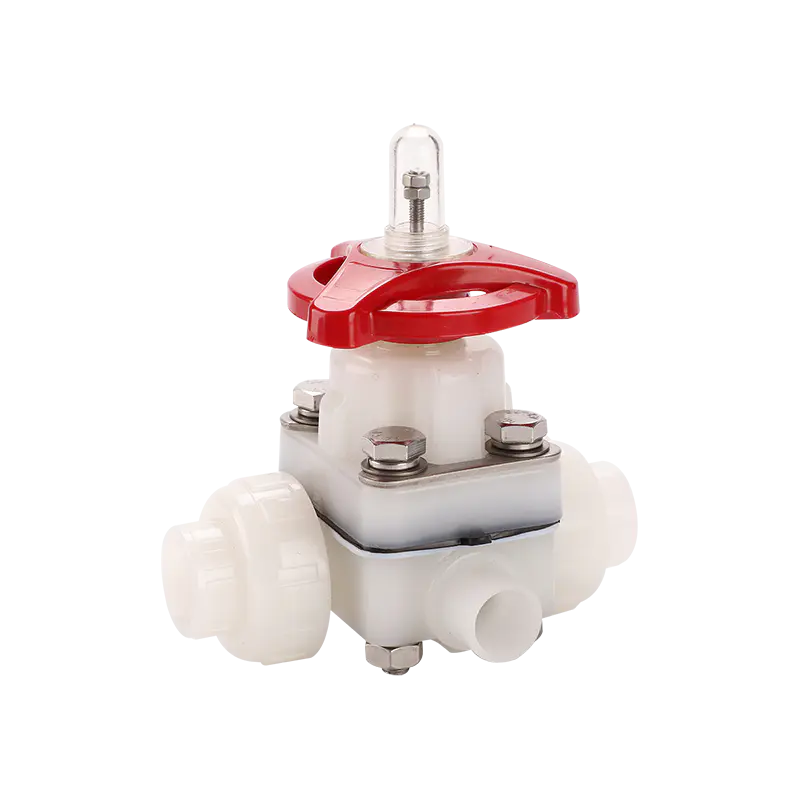
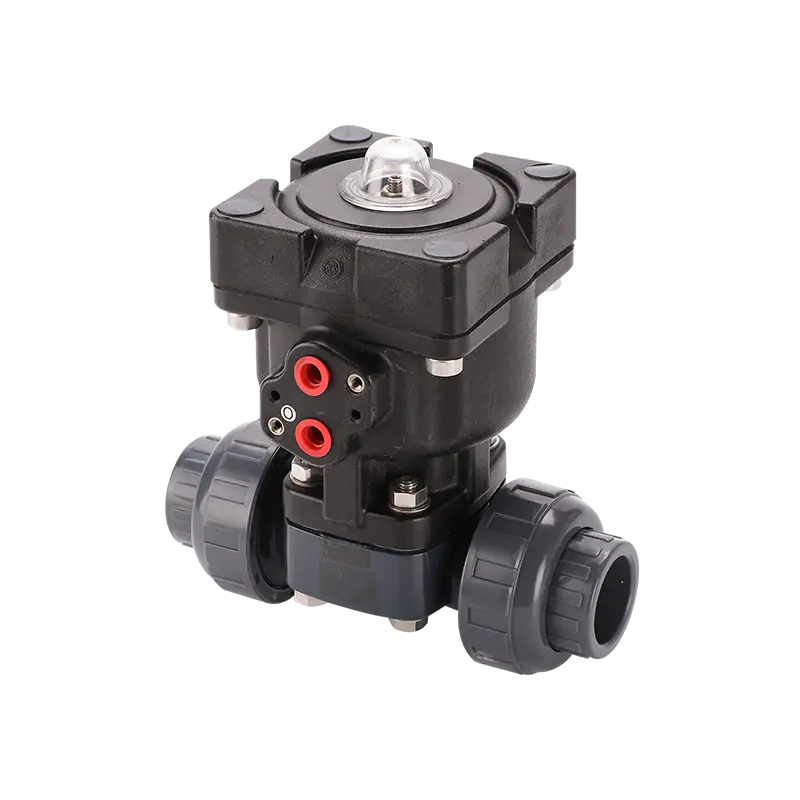
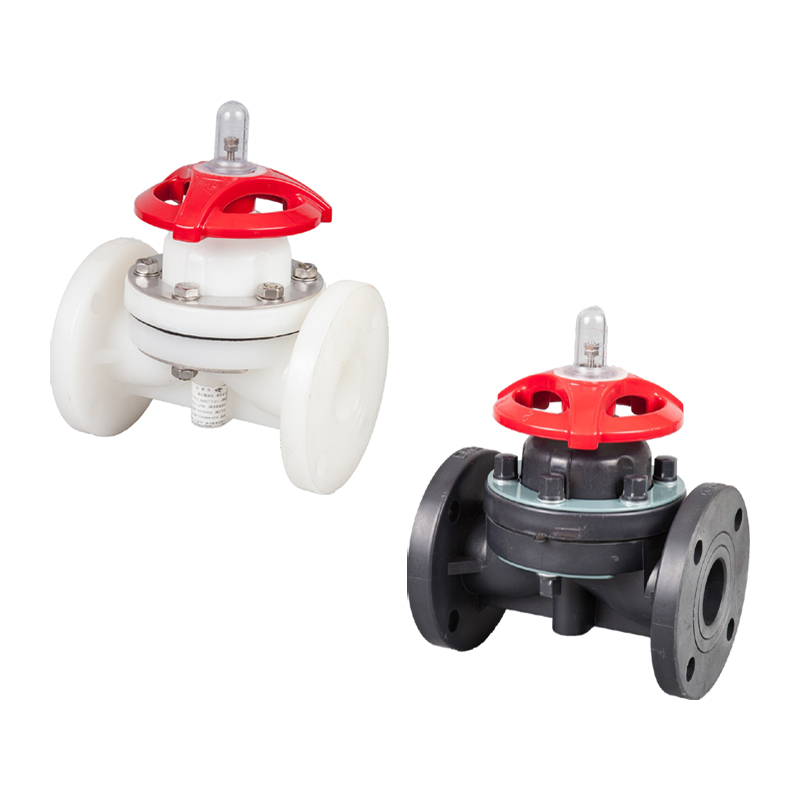
の 手動ダイヤフラムバルブ 開閉部にフレキシブルダイヤフラムを採用しており、固体粒子、腐食性媒体、粘性流体を含むパイプラインシステムの制御に適しています。最大の利点は、媒体と接触する金属部分がないため、腐食や汚染の問題が回避されることです。医薬品、食品、生化学などの高清浄プロセスフローに適しており、CIP/SIPシステムで広く使用されています。特殊な構造により、ダイヤフラムの修理や交換が容易です。
 | 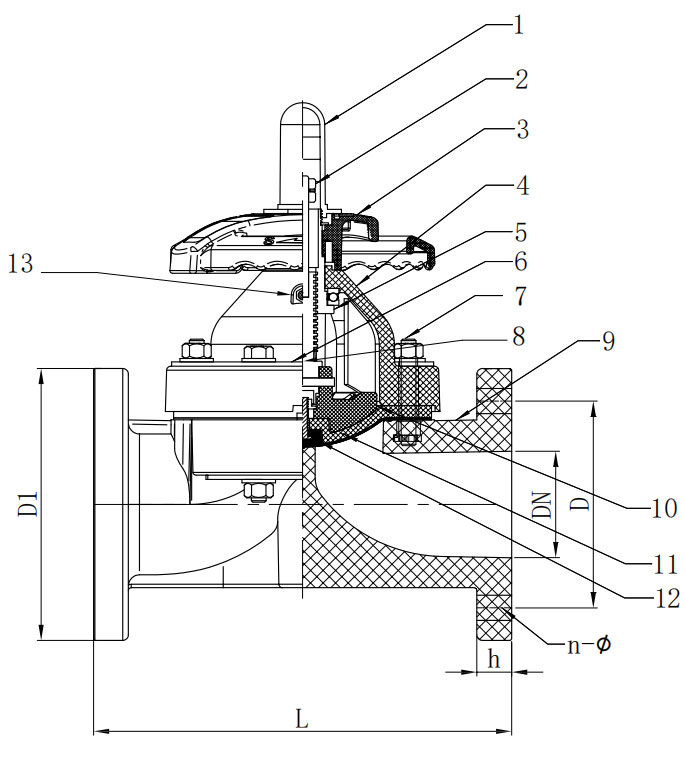 |
| DN | D1(mm) | D(mm) | 長さ(mm) | h(mm) | n | φ(mm) |
| HG/DIN | JIS | ANSI | HG/DIN | JIS | ANSI | HG/DIN | JIS | ANSI | | HG/DIN | JIS | ANSI | HG/DIN | JIS | ANSI |
| 15 | 95 | 95 | 95 | 65 | 70 | 60 | 125 | 110 | 110 | 14 | 4 | 4 | 4 | 14 | 15 | 16 |
| 20 | 105 | 100 | 100 | 75 | 75 | 70 | 135 | 120 | 120 | 16 | 4 | 4 | 4 | 14 | 15 | 16 |
| 25 | 115 | 125 | 125 | 85 | 90 | 79 | 145/160 | 130 | 130 | 16 | 4 | 4 | 4 | 14 | 15 | 16 |
| 32 | 135 | 135 | 135 | 100 | 100 | 89 | 160/180 | 160 | 160 | 16 | 4 | 4 | 4 | 18 | 19 | 16 |
| 40 | 145 | 145 | 145 | 110 | 105 | 98 | 180 | 180 | 180 | 16 | 4 | 4 | 4 | 18 | 19 | 16 |
| 50 | 160 | 160 | 160 | 125 | 120 | 121 | 210/230 | 210 | 210 | 18 | 4 | 4 | 4 | 18 | 19 | 19 |
| 65 | 180 | 180 | 180 | 145 | 140 | 140 | 250 | 250 | 250 | 22 | 4 | 4 | 4 | 18 | 19 | 19 |
| 80 | 195 | 195 | 195 | 160 | 150 | 152 | 300 | 280 | 280 | 25 | 8 | 8 | 4* | 18 | 19 | 19 |
| 100 | 215 | 220 | 220 | 180 | 175 | 190 | 350 | 340 | 340 | 25 | 8 | 8 | 8 | 18 | 19 | 19 |
| 125 | 255 | 255 | 255 | 210 | 210 | 216 | 405 | 405 | 405 | 30 | 8 | 8 | 8 | 18 | 19 | 22 |
| 150 | 280 | 280 | 280 | 240 | 240 | 241 | 460 | 460/480 | 460/480 | 30 | 8 | 8 | 8 | 22 | 23 | 22 |
| 200 | 340 | 340 | 340 | 295 | 290 | 298 | 575 | 575 | 575 | 38 | 8 | 12* | 8 | 22 | 23 | 22 |
| 250 | 395 | 395 | 395 | 350 | 355 | 362 | 685 | 685 | 685 | 38 | 12 | 12 | 12 | 22 | 25 | 26 |
| 300 | 480 | 480 | 480 | 400 | 400 | 432 | 790 | 790 | 790 | 40 | 12 | 16* | 12 | 22 | 25 | 26 |
手動ニードルバルブ
の needle valve uses a slender conical valve core to accurately control small flows. Mainly used in high-precision fluid regulation, such as instrumentation systems, sampling systems, hydraulic or pneumatic control circuits. Compact structure, high regulation accuracy, widely used in scientific research, laboratories and high-pressure gas devices.
手動逆止弁
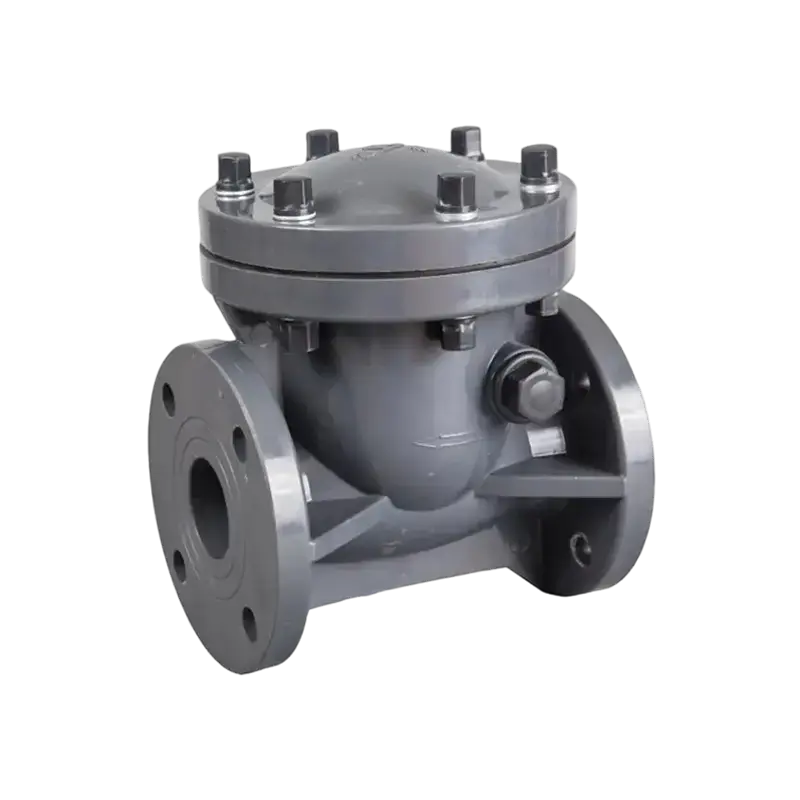
逆止弁は通常自動的に動作しますが、手動機能を備えた逆止弁を使用するシステムもあります。媒体の逆流を防止し、特殊な状況下で手動介入を可能にするために使用されます。高圧ボイラー、ポンプ場、化学薬品貯蔵タンクなどの安全性の高い場面でよく使用されます。
手動三方弁
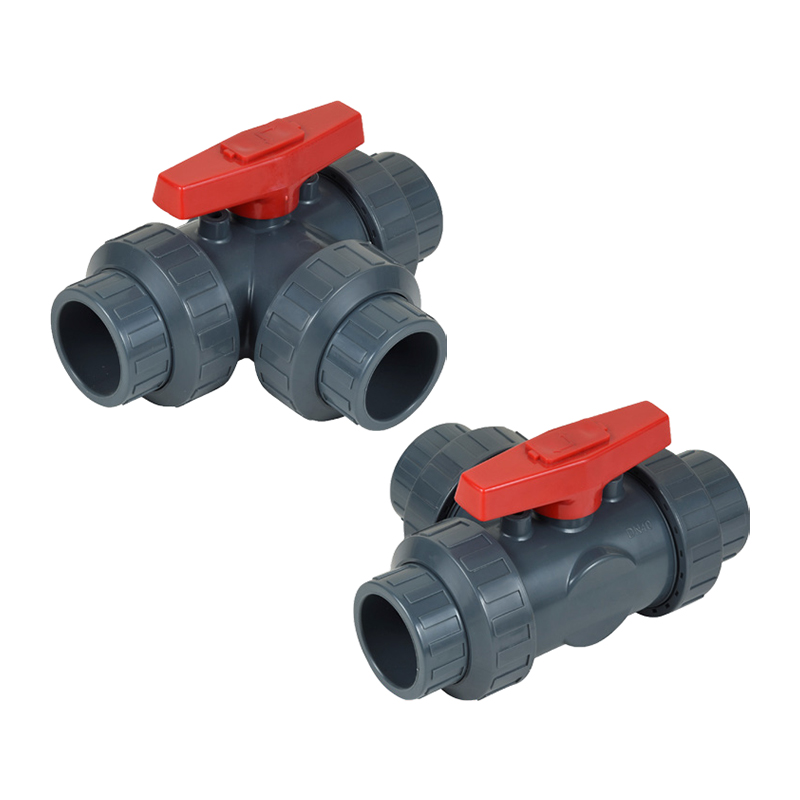
三方マニュアルバルブは「T型」と「L型」の構造に分かれており、流体の方向変更や多チャンネル切り替えに適しています。主に混合、分流、またはバイパス システムで使用され、HVAC、食品加工、パイプラインの切り替えにも広く使用されています。柔軟な操作、多様な構造、ボールバルブ、プラグバルブ、その他の設計形式との組み合わせが可能です。
手動ボールバルブと手動ゲートバルブの構造やシール方法の違いは何ですか?
手動ボール バルブと手動ゲート バルブは、2 つの一般的なパイプライン カットオフ バルブで、石油、化学、冶金、電力、建設などの産業システムで広く使用されています。機能的にはどちらも流体の開閉や流路の遮断という役割を果たしますが、構造設計、シール原理、性能、適用シーンなどに本質的な違いがあります。
構造設計の違い
の structural core of the manual ball valve is a hollow sphere, which controls the on and off of the medium by rotating the sphere. The sphere is usually a solid metal ball with a hole, which is axially connected to the valve stem. The ball valve is usually a quarter-turn structure, and it only needs to rotate 90° to switch from full open to full closed. The valve body structure is mostly two-piece or three-piece, which is convenient for maintenance and replacement of internal parts. The surface of the sphere is precisely machined and cooperates with the sealing seat to form a sealing pair. The overall structure is compact and light, which is easy to install in places with limited space.
の main structural components of the manual gate valve are wedge-shaped or parallel gates, which are opened and closed by vertically lifting the gate up and down. The gate rises and falls along the spiral motion of the valve stem, usually a multi-turn structure, and the opening and closing process is relatively slow. The gate valve body is generally an integral casting with a deep internal cavity and large structural dimensions. Since the gate needs to be fully raised to the top of the valve cavity to fully open, the manual gate valve has higher requirements for space and operating torque than the ball valve.
シール方法の違い
の manual ball valve adopts a face sealing structure. The sealing pair is formed by the contact between the surface of the ball and the sealing seat, which is usually made of polytetrafluoroethylene (PTFE), reinforced polymer, metal or composite material. The ball always keeps in contact with the sealing surface during rotation, and effective sealing is achieved through the floating ball or fixed ball design. The ball valve has excellent sealing performance and extremely low leakage rate, which is particularly suitable for working conditions with high requirements for zero leakage. Some high-end ball valves also have two-way sealing and fireproof and anti-static structures to improve system safety.
の manual gate valve adopts a wire sealing structure. The sealing pair is formed by the edges on both sides of the gate and the sealing surface of the valve seat. The sealing surface is mostly made of metal materials such as alloy steel, hard alloy, and Stellite. The sealing depends on the cooperation of the medium pressure and the wedge tightening force of the gate, and the sealing effect is not as good as the ball valve under low pressure conditions. Due to the strong friction between the gate and the valve seat during the opening and closing process, it is easy to wear, and the processing and assembly accuracy requirements are high. Some gate valves use elastic gates or pressure self-sealing structures to enhance sealing, but their overall sealing performance is still slightly inferior to that of ball valves.
開閉性能の違い
の manual ball valve opens and closes quickly, has low torque, and is easy to operate. Its rotation angle is only 90°, which is suitable for systems that are frequently operated or require rapid medium cutoff. There is no friction during the opening and closing process, and the action is stable, which is particularly suitable for occasions that require emergency shutdown.
の manual gate valve opens and closes slowly, and the handwheel needs to be rotated several times to complete the entire operation. Due to the long up and down movement of the gate, coupled with the mechanical loss of the valve stem thread transmission mechanism, the operation process is time-consuming and laborious. It is not suitable for frequent opening and closing, but has reliable long-term sealing capabilities in large-diameter, low-frequency pipeline systems.
適用範囲の違い
の manual ball valve is suitable for pipeline systems that require fast opening and closing, good sealing, and low flow resistance. It is particularly suitable for industries with strict leakage control such as natural gas, refined oil, fine chemicals, pharmaceuticals, and water treatment. It has a compact structure and flexible installation, and is suitable for equipment or branch pipelines with limited space.
手動ゲートバルブは、直径が大きく、操作頻度が低く、圧力変化が小さい幹線パイプラインに適しています。これらは、給水装置、暖房、電気、冶金およびその他のシステムの主弁位置で広く使用されており、特に遮断装置としての使用に適しています。流動抵抗が極めて低く、全開状態での圧力損失がほとんどないため、長距離伝送システムに優しいです。
流量と圧力損失
の channel inside the ball of the manual ball valve is often designed with a full-bore design. The medium has almost no flow resistance when passing through the valve, and no obvious pressure drop is generated. It has little impact on system efficiency and is suitable for process flows requiring efficient transmission.
手動ゲートバルブも全開状態では流動抵抗が小さいですが、半開または不完全開の場合は乱流や振動が発生しやすくなります。ボールバルブと比較して、ボールバルブの局部構造は中程度の浸食を引き起こす可能性が高く、これがシール面の寿命に影響を与えます。
 |  |
食品業界または製薬業界向けの手動バルブの選び方
食品および製薬業界では、手動バルブは基本的な開閉、調整、切断機能を担っているだけでなく、製品の安全性、清浄度、生産コンプライアンスにも関連しています。これらの業界では、衛生、材料、汚染防止能力に対する非常に高い要件があるため、選択は関連する業界標準に厳密に従い、媒体の特性、プロセス フロー、洗浄と消毒の方法、バルブ構造の材料などの要素を十分に考慮する必要があります。
衛生基準を満たす構造設計
の food and pharmaceutical industries have extremely high requirements for the cleanliness of equipment surfaces. Manual valves must have characteristics such as no dead angles, no retention, and easy cleaning. When selecting, valve products that meet hygienic certifications such as EHEDG (European Hygienic Engineering Design Group), 3-A (American Dairy Hygiene Association Standards), and FDA (American Food and Drug Administration) should be given priority. The valve cavity should adopt a full-bore design to ensure that the medium flows smoothly without retention; the internal surface should be electrolytically polished, and the roughness should be controlled within Ra ≤ 0.4 μm to avoid bacterial adhesion.
弁体材質とシール材質の選定
材料の選択は、バルブの耐食性、耐熱性、生体適合性に直接影響します。食品業界および製薬業界では、優れた耐食性と溶接性、および CIP (Clean-in-Place) および SIP (Sterilize-in-Place) システムで一般的に使用される酸、アルカリ、および高温蒸気環境に耐える能力があるため、バルブ本体の主材料として 316L ステンレス鋼の使用を推奨しています。シールは、媒体が汚染されないように、FDA 認定の食品グレードのポリテトラフルオロエチレン (PTFE)、EPDM (エチレン プロピレンジエン モノマー ゴム)、または FKM (フッ素ゴム)、および優れた耐薬品性と耐熱性を備えたその他の材料で作られている必要があります。
CIP/SIP洗浄と滅菌が簡単
食品や医薬品の生産中、配管システムは定期的に定置洗浄 (CIP) し、定置蒸気滅菌 (SIP) する必要があります。バルブの構造はこの種の洗浄に対応できる必要があります。選択する際は、バルブ キャビティに自動排出機能があるかどうか、残留物のない洗浄が可能かどうか、シールの耐熱性 (150°C 以上) があるかどうか、およびバルブが滅菌サイクル タイム (通常 30 分以上が必要) に対応しているかどうかを考慮してください。三方バルブ、ダイヤフラムバルブ、無菌サンプリングバルブの構造を最適化し、このようなプロセスに適しています。
ダイヤフラムバルブやバタフライバルブなどのサニタリーバルブのおすすめタイプ
ダイヤフラム バルブは、その媒体がバルブ本体の内部空洞とダイヤフラム素材にのみ接触するため、清浄度が要求される場所で広く使用されています。構造がシンプルで、バルブキャビティ内に滞留領域がないため、高粘度の固体粒子や腐食性媒体の搬送に特に適しています。バタフライバルブはコンパクトな構造、軽量、素早い開閉が特徴です。これらは、低圧または高流量の状況、特に充填、濾過、輸送の場合によく使用されます。サニタリーバタフライバルブには通常、クイックリリースクランプ接続が装備されており、現場での分解、洗浄、メンテナンスが簡単で、GMP 仕様を満たしています。
接続方法は衛生要件を満たす必要があります
の connection method of manual valves is directly related to sanitary sealing performance. Sanitary connection methods such as clamp type, welding type or flange type should be preferred. Clamp type connection can be quickly disassembled and assembled, suitable for equipment that is frequently cleaned; welding type connection has good structural strength and sealing, suitable for permanent assembly occasions; flange type connection is mostly used in large systems, but sanitary flange sealing structure must be selected. Regardless of the method, the sealing surface must maintain processing accuracy and surface finish to avoid microbial growth.
混合防止とバッチ制御
の multi-variety and small-batch production processes in the food and pharmaceutical industries require higher reliability in valve switching and sealing. Structures such as double-seat valves or anti-mixing valves should be selected to prevent cross-contamination between batches. The valve should have a metal limit positioning function to prevent residue or mixing due to misoperation; at the same time, it should support process parameter recording to meet GMP traceability requirements.
GMP および検証要件への準拠
医薬品生産の適正製造基準 (GMP) の要件に従って、機器は良好な検証可能性と一貫性を備えている必要があります。選択された手動バルブには、材料証明書、シール材試験報告書、圧力試験報告書、表面粗さ証明書、設置図などの検証文書が必要です。同時に、メーカーは、品質マネジメントシステムのレビューを満たすために、IQ(設置確認)/OQ(動作確認)/PQ(性能確認)文書サポートを提供する必要があります。
耐食性と寿命評価
乳製品、ジュース、醤油、アルコールなどの食品業界の一般的な媒体は、ある程度の酸性とアルカリ性を持っています。製薬業界では、エタノール、過酸化水素、酸性消毒剤などは非常に腐食性が高いです。バルブ構造は、耐用年数を確保しながら、洗浄剤や化学試薬による長期の侵食に耐えることができなければなりません。レクです